Postnatural Remains
Gigi Totaro traces how waste and life coexist within the landscapes of Puglia.

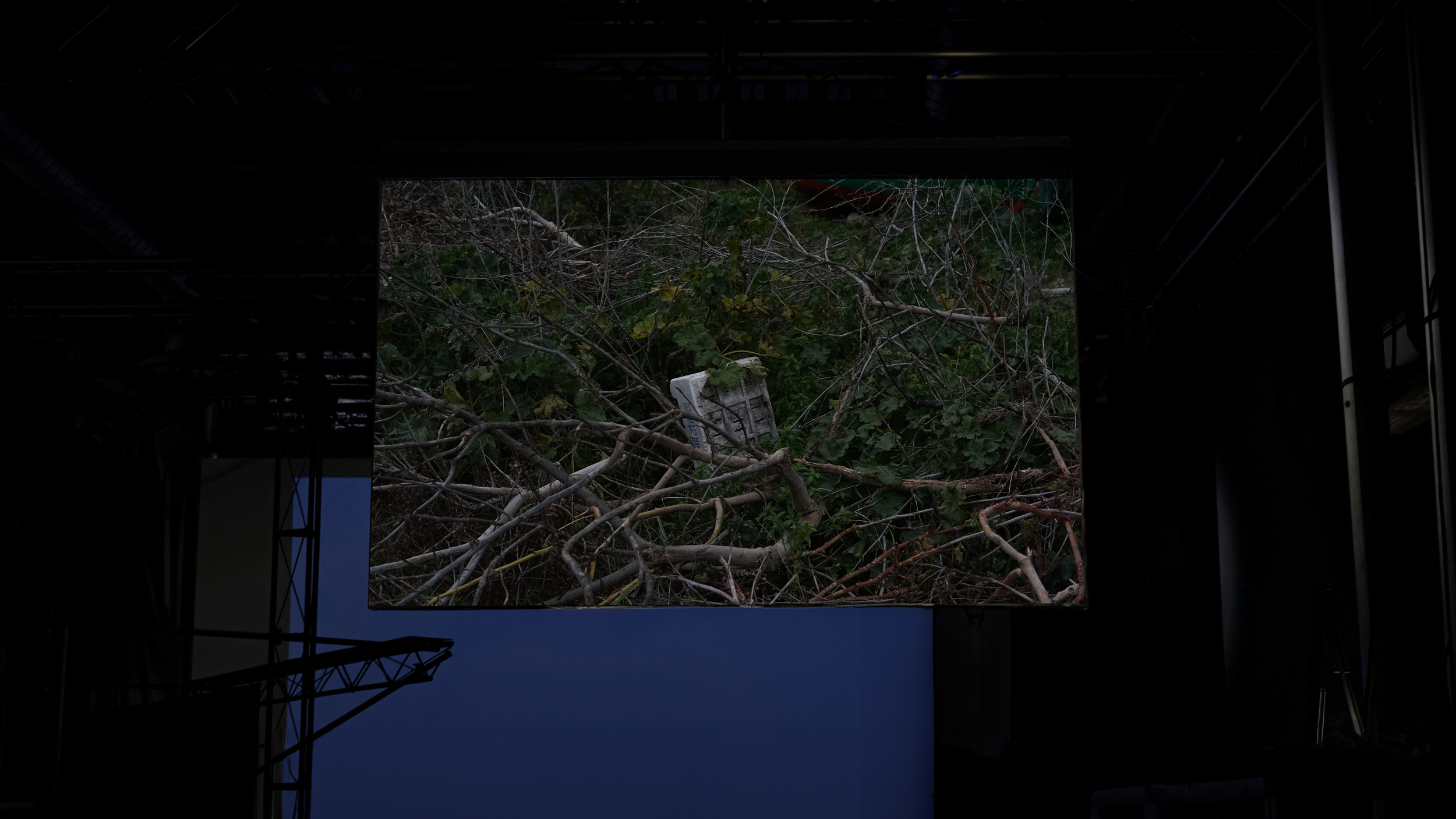
Puglia is a stunning region situated between the Adriatic and Ionian Seas in southern Italy. It’s known for its bright colours and distinctive limestone landscapes. The ground is pale and dry, scented with wild herbs and the salty breeze drifting from the sea. In the height of summer, the air shimmers under the sun and the water shifts from turquoise to deep blue within hours. This area is full of contrasts — the sea and the plains, ancient olive trees and quiet industrial edges — a place of enduring beauty and slow transformation. Its charm is unmistakable, yet it carries a certain fragility: a landscape where time, climate and human traces continually reshape one another.
For Gigi Totaro, this landscape is home. His understanding of materials, ecology and transformation is deeply connected to the territory where he was born and raised. The same land that nourishes long-rooted traditions and resilient vegetation has also become a dumping ground for what industrial systems prefer to erase. Waste — once hidden at the margins — now marks the landscape, revealing the quiet persistence of contamination.
Totaro’s ongoing research project, Postnatural Remains, investigates these material and political realities. Through fieldwork, documentation and critical analysis, he explores how waste is not simply a by-product of production but a structural condition of contemporary life — one that demands to be seen, read and reimagined.
Tracing Local Waste Networks
To understand how waste moves, accumulates and transforms, Totaro conducted field research across Puglia. He mapped abandoned sites, photographed residues and spoke with local residents who share their environment with these silent accumulations. The result is a portrait of a region caught between legality and neglect — a place where formal infrastructures coexist with informal systems of disposal.
In rural areas, waste often follows invisible paths. Industrial residues and domestic debris are transported by small, unregulated operators, mixed with agricultural by-products or burned openly to avoid cost and bureaucracy. These actions — quiet, repetitive and dispersed — create a parallel economy of disappearance.
For Totaro, tracing these movements is an opportunity to expose the ecology of complicity that connects citizens, institutions and industries. Every discarded object carries a story of decision-making — economic, social and ethical. By following their trajectories, his research transforms waste from a mere environmental by-product into a cultural document, serving as evidence of the deep interconnections between design, production and governance.
Age of Waste
Writer Justin McGuirk calls our time the Age of Waste — an era where throwing things away has become second nature.
Humans weren’t always wasteful; it’s something we learned. With the rise of the Industrial Revolution, production accelerated, goods became cheaper and abundance was celebrated as progress. What began as efficiency slowly turned into excess — a cycle of making, consuming and discarding that continues to define how we live.
For Totaro, this condition forms the backdrop of his research. Whilst the Age of Waste is a global reality, it appears with particular clarity in southern Italy. For decades, regions like Puglia have absorbed what others prefer to forget: toxic residues, domestic debris and the leftovers of mass consumption.
Discarded materials do not simply vanish; they persist — seeping into soil, contaminating water and entering food systems. The damage extends beyond ecology: it exposes a broader failure of governance and responsibility. Around the world, environmental crimes are rarely prosecuted, and when they are, justice arrives too late — after ecosystems have already absorbed the harm.
Made to Break
Questioning his own role as a designer, Totaro addresses an uncomfortable truth: much of modern design is made to break. Obsolescence is not a flaw but a strategy — built into production systems to sustain endless consumption. From electronics to furniture, products are designed to fail; their short lifespan is intentional, not accidental.
In his thesis, published in Across a Flock’s Orbit, Totaro references Vance Packard’s The Waste Makers (1960), in which the journalist and sociologist described three forms of planned obsolescence: of quality, of function, and of desirability. More than sixty years later, Totaro reflects on how these strategies have not only endured but evolved — embedded in contemporary design processes that continue to privilege novelty over longevity.
This places design at the centre of the problem rather than outside it. The discipline that once promised progress now participates in a cycle of extraction and disposability. Totaro reveals how the language of innovation — often associated with improvement — conceals the industry’s complicity in ecological collapse. In southern Italy, this condition is visible in the terrain itself: fragments of waste scattered across fields and roadsides, slowly merging with the soil. Here, the aesthetics of progress give way to the archaeology of neglect.
Recycle or Downcycle?
Recycling is often presented as a solution — a promise of circularity. Yet in reality, much of what we call recycling is downcycling — the gradual degradation of materials until they re-enter the waste stream. This process sustains the illusion of sustainability whilst allowing overproduction to continue unchecked.
Totaro challenges this logic by questioning the idea of closing the loop within a system designed for excess. Instead of treating recycling as redemption, he views discarded materials as evidence of systemic failure — an archive of our dependence on extraction. For him, the act of recycling should not erase waste but confront it. It becomes a process of learning, not concealment.
Material Entanglements
If waste is a human failure, contamination is its ecological consequence. Thinking from a more-than-human perspective, Totaro examines how life — human and non-human — continues within polluted environments. These adaptations are not signs of harmony, but evidence of strain: survival shaped by the conditions of human neglect.
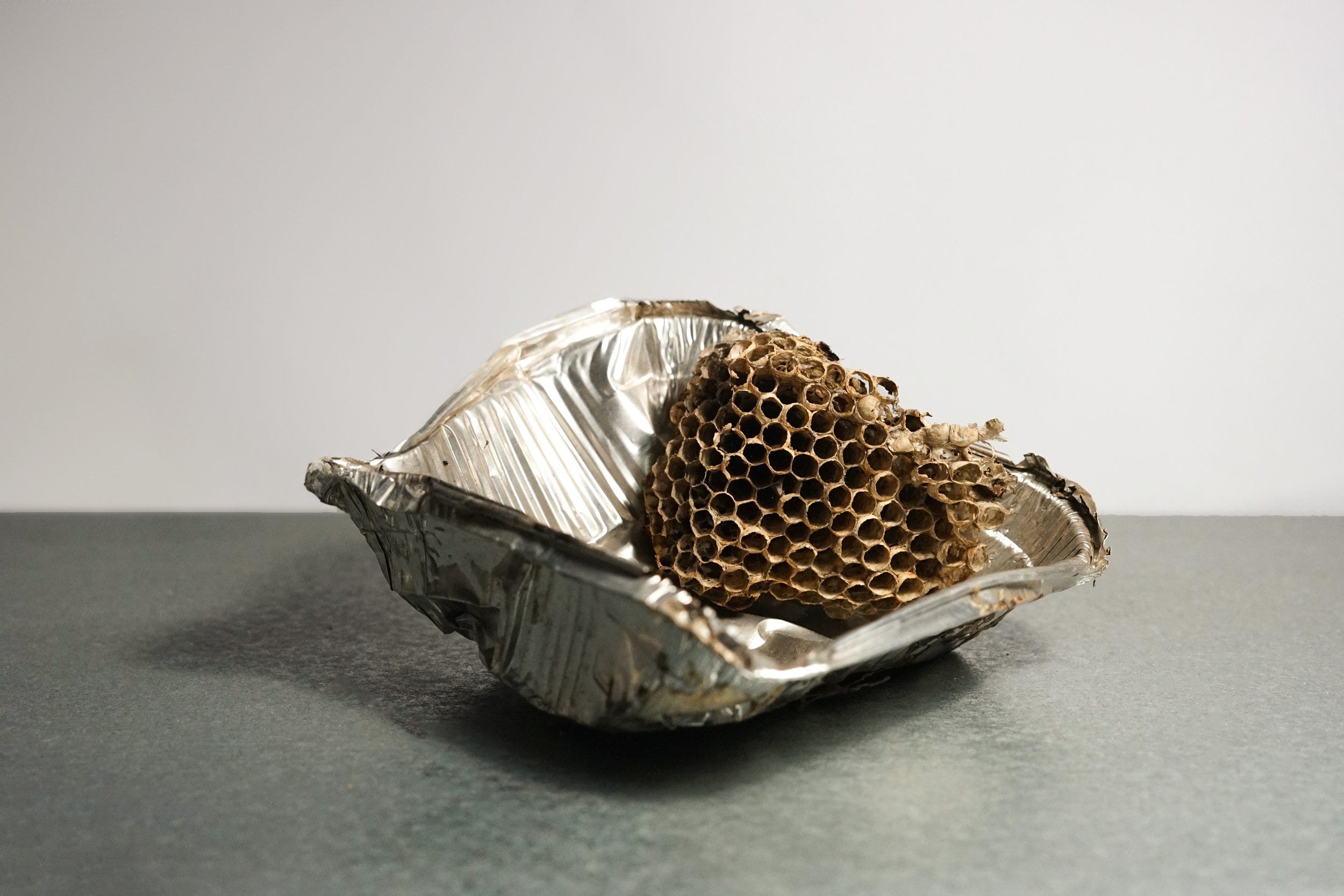
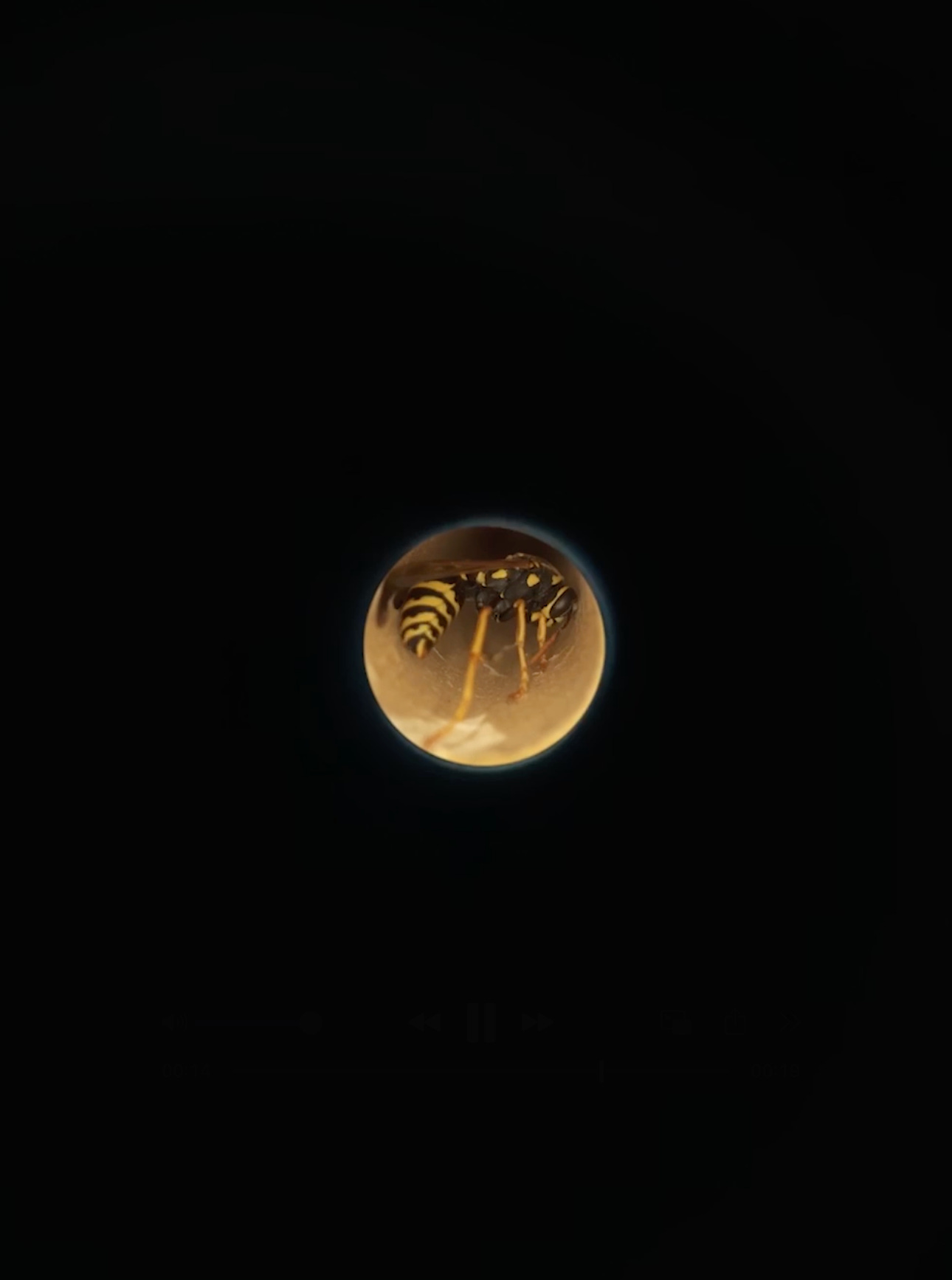
One image captures this transformation vividly — a beehive built inside an aluminium container. Bees, following instinct rather than choice, turn discarded metal into shelter. What appears to be resourcefulness is, in truth, a reflection of survival under pressure — a stark indication of how deeply contamination has infiltrated the fabric of life.
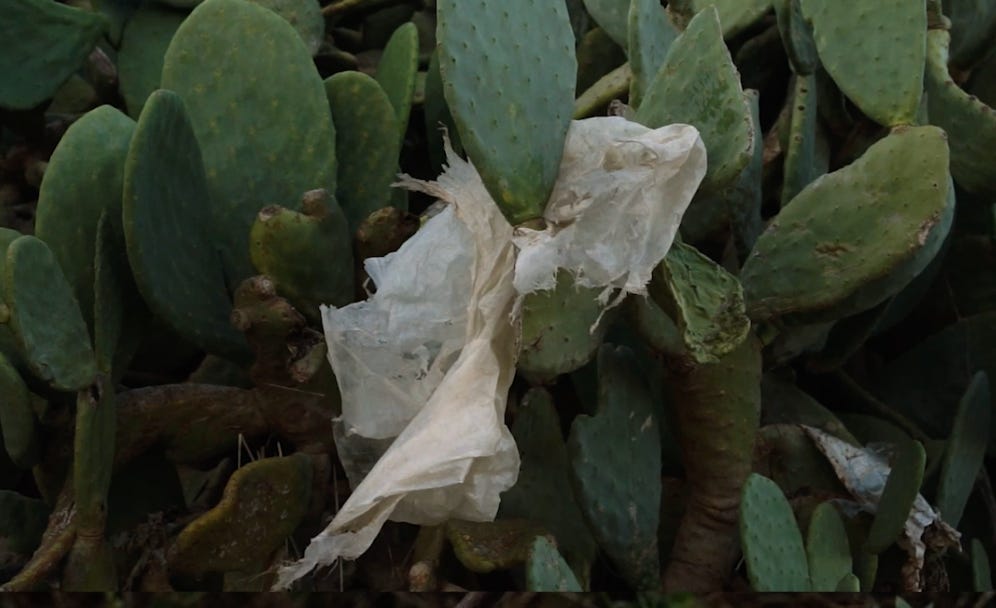
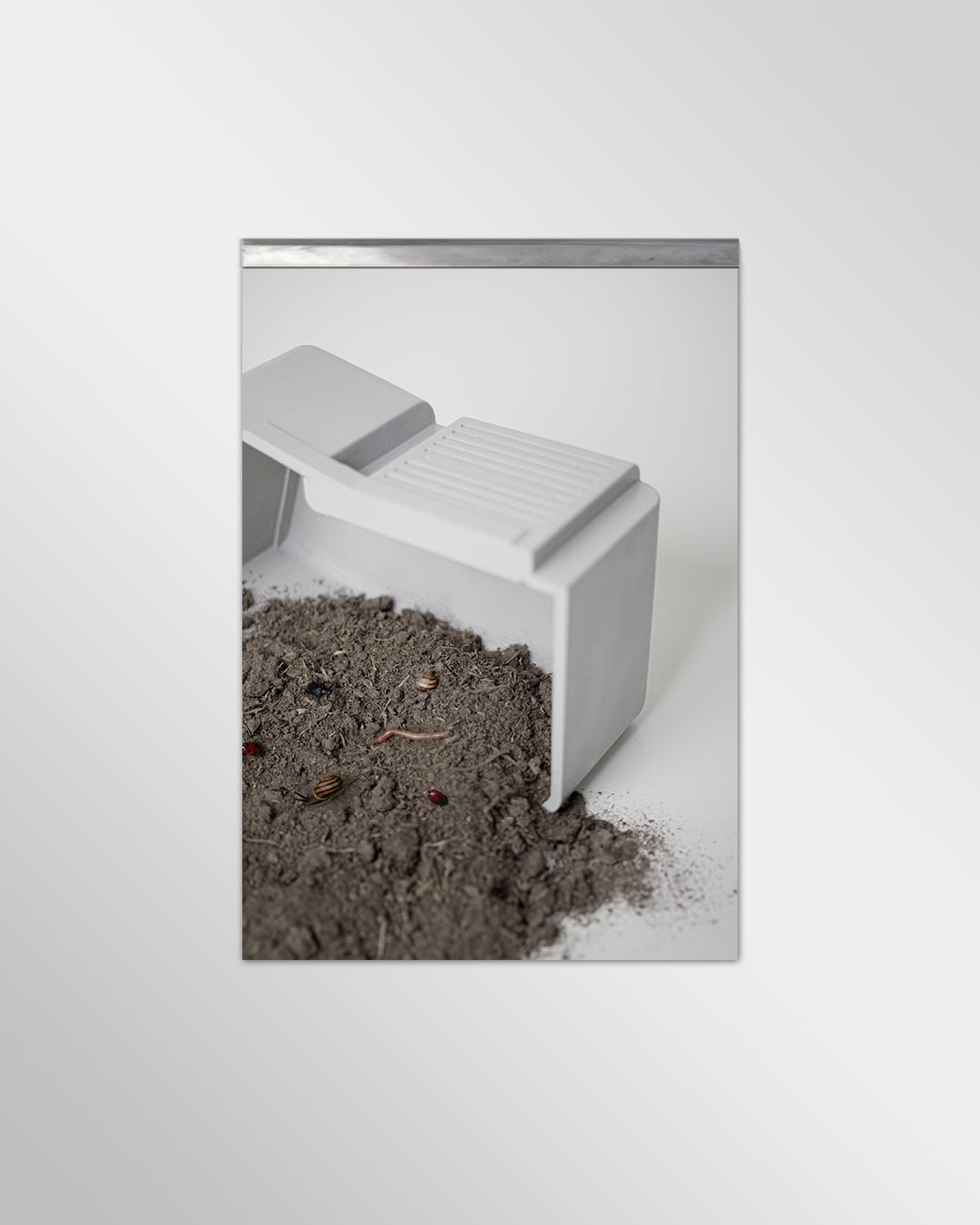
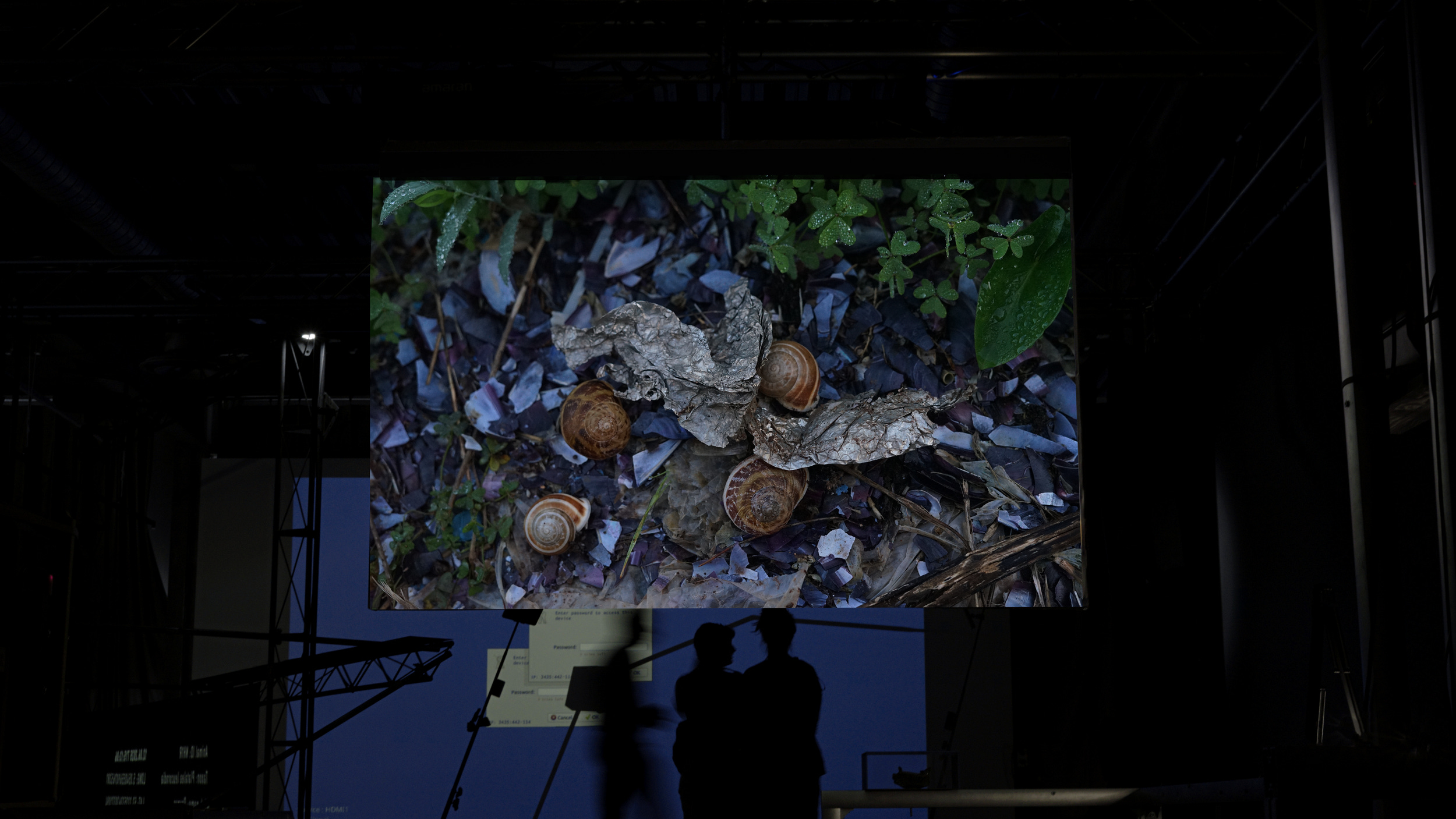
Totaro calls this condition unnatural cohabitation: a state where human-made debris and living systems no longer exist apart but within one another. Waste becomes an active agent, altering soil chemistry, redirecting plant growth and infiltrating the cycles of pollination and decay. Plastic fibres cling to roots; metals leach into groundwater; insects inhabit containers never meant to host life. What emerges is not renewal but a hybrid ecology — half living, half synthetic.
These entanglements challenge design’s assumptions about purity, repair and regeneration. If the environment is already transformed, what does it mean to design with it rather than for it? It calls for an honest confrontation with permanence — recognising that waste will outlive us and that every act of design now unfolds on contaminated ground.
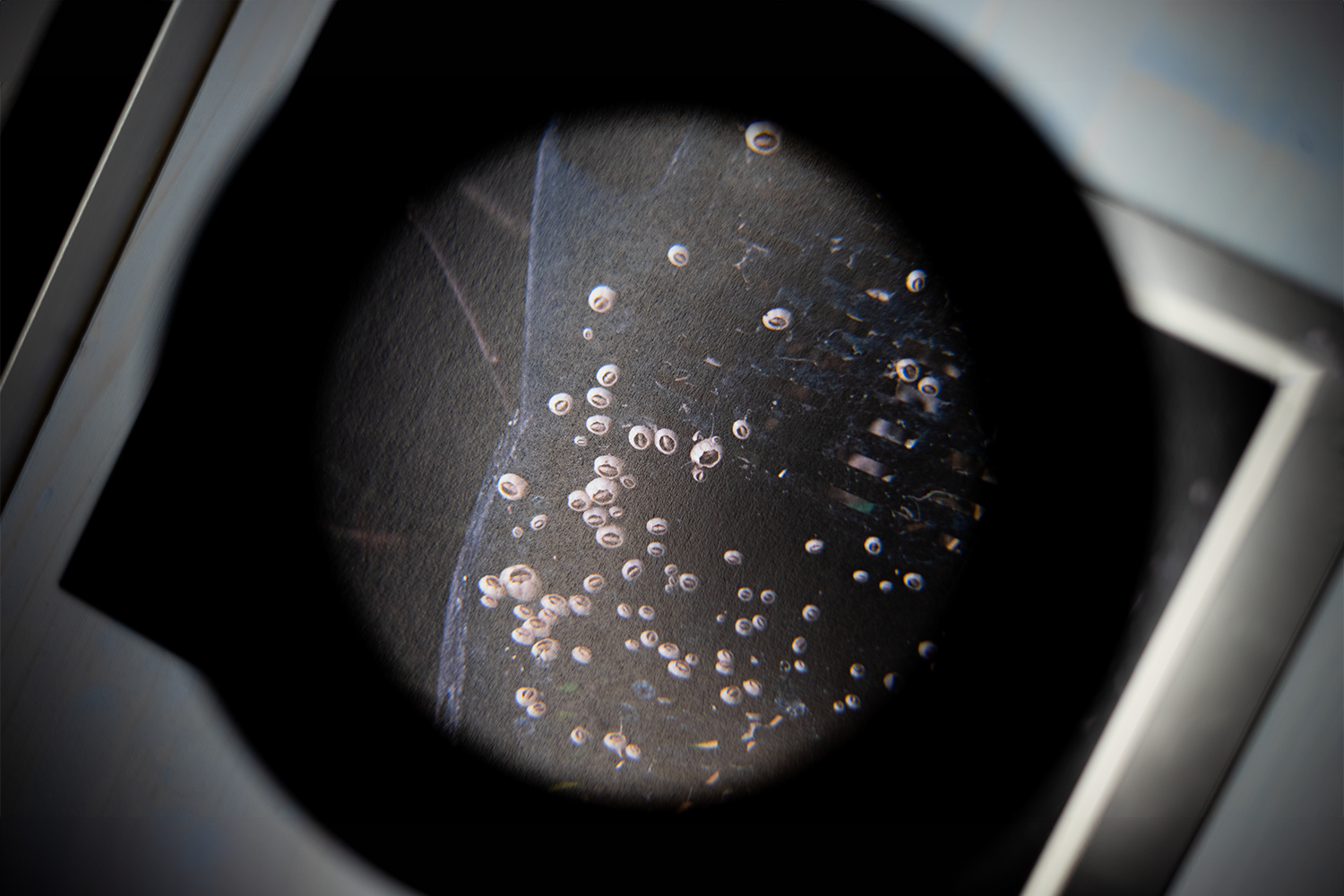
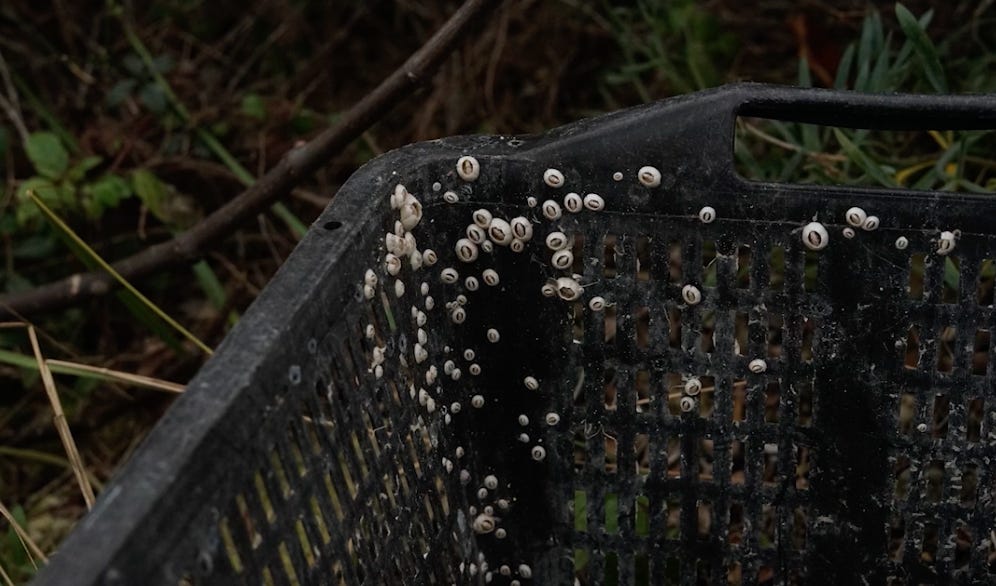


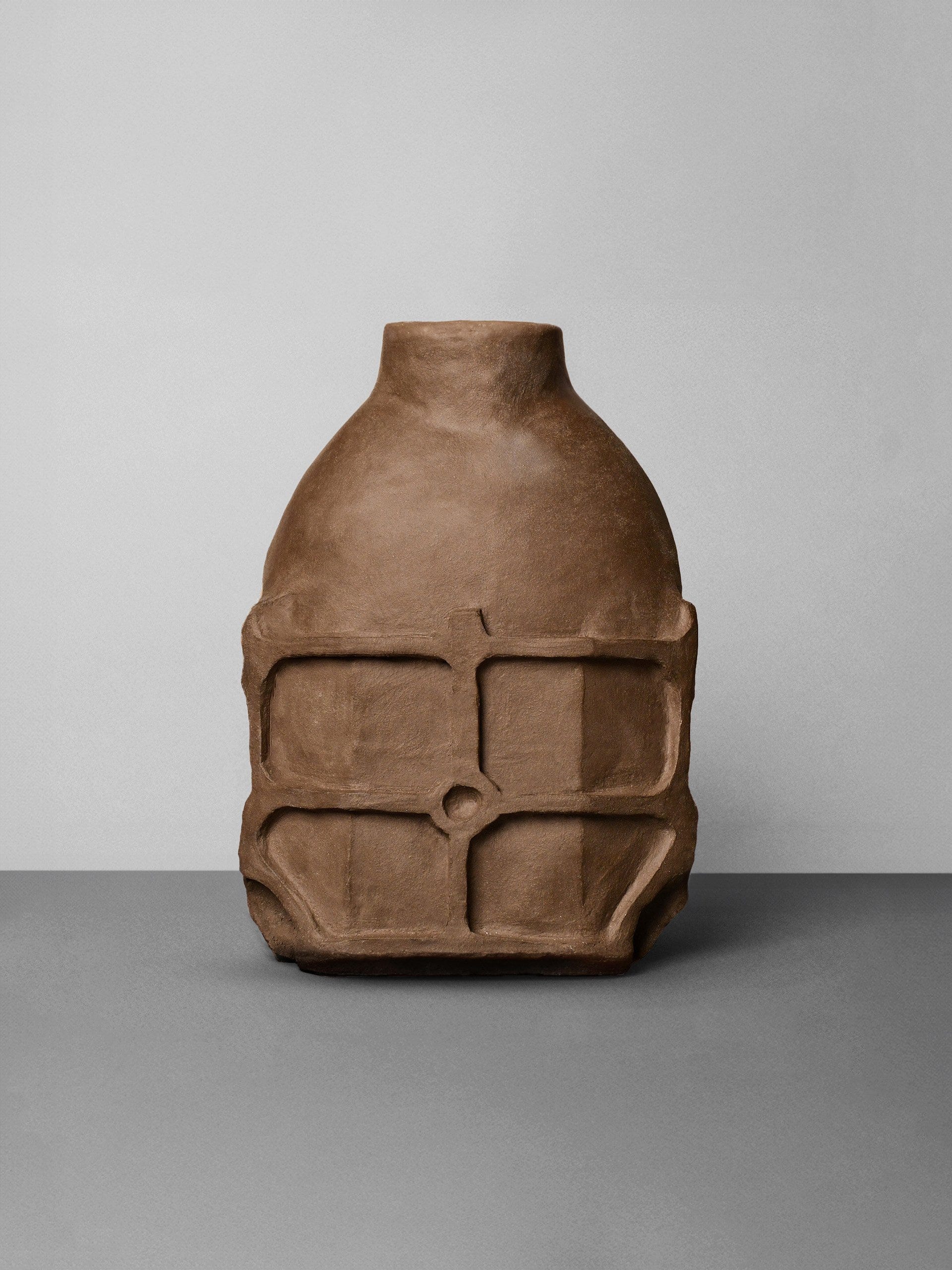
This article is based on Gigi Totaro’s research, published in Across a Flock’s Orbit (GEO—Design Master’s Programme, 2025).
Credits
Research and project
Postnatural Remains — by Gigi Totaro
GEO—Design Master’s Programme, Design Academy Eindhoven (2025)
https://gigitotaro.cargo.site
Instagram: @gigi_totaro
Photography & Video
Gigi Totaro
Text
Written by Nina Zulian
Sources and Further Reading
Across a Flock’s Orbit — GEO—Design Master’s Programme, Design Academy Eindhoven (2025)
Justin McGuirk, Waste Age: What Can Design Do?, Design Museum London (2021)
ISPRA — Rapporto Rifiuti Speciali (Reports on illegal waste disposal in Italy)
Legambiente — Ecomafia Report (Annual publication on environmental crime in Italy)
Sophie Arie, “Italy told to stop using Malaysia as plastics dumping ground,” The Guardian (14 October 2004)
Angela Giuffrida, “‘The ocean is spitting our rubbish back’: Italy’s museum of plastic pollution,” The Guardian (9 August 2025)
Germani, A. R., Pergolizzi, A., & Reganati, F. (2015). Illegal trafficking and unsustainable waste management in Italy: Evidence at regional level.
“How Our Trash Impacts the Environment,” EarthDay.org (n.d.)
Sciutti, A., & Ragazzi, M. (2020). Illegal waste trafficking in Italy: Trends and challenges. Waste Management, Elsevier.